











ٹیکس اقسام
taxes are of two distinct types, direct and indirect taxes. the difference comes in the way these taxes are implemented. some are paid directly by you, such as the dreaded income tax, wealth tax, corporate tax etc. while others are indirect taxes, such as the value added tax, service tax, sales tax, etc.
1. direct taxes
2. indirect taxes
but, besides these two conventional taxes, there are also other taxes that have been brought into effect by the central government to serve a particular agenda. ‘other taxes’ are levied on both direct and indirect taxes such as the recently introduced swachh bharat cess tax, krishi kalyan cess tax, and infrastructure cess tax among others.
1. براہ راست ٹیکس
direct tax, as stated earlier, are taxes that are paid directly by you. these taxes are levied directly on an entity or an individual and cannot be transferred onto anyone else. one of the bodies that overlooks these direct taxes is the central board of direct taxes (cbdt) which is a part of the department of revenue. it has, to help it with its duties, the support of various acts that govern various aspects of direct taxes.
یِموٗ مَنٛز کِہہ سرگرمی چھُ:
· انکم ٹیکس ایکٹ:
This is also known as the IT Act of 1961 and sets the rules that govern income tax in India. The income, which this act taxes, can come from any source like a business, owning a house or property, gains received from investments and salaries, etc. This is the act that defines how much the tax benefit on a fixed deposit or a life insurance premium will be. It is also the act that decides how much of your income can you save through investments and what the slab for the income tax will be.
· وٮ۪لتھ ٹیکس ایکٹ:
وٮ۪لتھ ٹیکس آؤ 1951 نٲفذ کَرنٕہ بیٮ۪ٕہ چھپ یٕہ کینسٕہ فرد، اَکھ کمپنی یا اَکھ ہنٛدو متفقہ خاندان کٕہ خٲلِص دولَت متعلق ٹیکس وصول کَرنَس ذمہ دار. وٮ۪لتھ ٹیکسُک ساروِی خوٗت آسان حساب کتاب اوٗس یٕہ زِٔ اگر نٮ۪ٹ دولَت 30 لَچھ روپیٕہ خوٗت زِیادٕ تجاوُز کَرٕ، تیٮ۪لٕہ آسٕہ سُہ رقم 1% ٹیکس باپَت قابلٕ ادائیگی یُس 30 لَچھ روپیٕہ خوٗت زِیادٕ تجاوُز آسٕہ کَران. یٕہ آؤ 2015 کِس اعلان کردہ بجٹَس مَنٛز ختم کَرنٕہ. یٕہ آؤ أم پَتٕہ افرادَن پٮ۪ٹھ 12% سَرچارج سیٔتۍ بدلاونٕہ یِم سالانٕہ 1 کروڑ روپیٕہ خوٗت زِیادٕ آسَن کماوان. یٕہ چھُ تِمَن کمپنِی یَن پٮ۪ٹھ تٕہ لاگو سَپدان یِمَن ہُنٛد سالنٕہ آمدنی 10 کروڑ روٗپیٕہ خوٗت زِیادٕ آسٕہ. نَےٛ ہدایتوٗ چھُ وٮ۪لتھ ٹیکس کٕہ ذریعہ جمع کَرنٕہ یِن واجِن رقمَس خلاف یُس حکومت ٹیکسن مَنٛز جمع کَرنٕہ یِنٕہ واجِن رقمَس مَنٛز یَکسر اِضافٕہ کوٗرمُت.
· Gift ٹیکس ایکٹ:
the gift tax act came into existence in 1958 and stated that if an individual received gifts, monetary or valuables, as gifts, a tax was to be to be paid on such gifts. the tax on such gifts was maintained at 30% but it was abolished in 1998. initially if a gift was given, and it was something like property, jewellery, shares etc. it was taxable. according to the new rules gifts given by family members like brothers, sister, parents, spouse, aunts and uncles are not taxable. even gifts given to you by the local authorities is exempt from this tax. how the tax works now is that if someone, other than the exempt entities, gifts you anything that exceeds a value of rs. 50,000 then the entire gift amount is taxable.
· اِخراجات ٹیکس ایکٹ:
یٕہ چھُ اَکھ ایکٹ یُس 1987 مَنٛز وجودَس مَنٛز آؤ یٕہ چھُ ہوٹَل یا أکِس ریسڑورنٹ کٕہ خدمات حٲصِل کَرنَس دوران فرد کٕہ حیثیر سیٔتۍ تَہنٛدٮ۪ن اِخراجاتَن مُتعلق ماملات انجام دِوان. یٕہ چھُ تمام ہِنٛدوٗستانَس پٮ۪ٹھ لاگو سَپدان بغیرٕ جمون و کشمیر. اَتھ مَنٛز چھُ بیان آمُت کَرنٕہ زِٔ یَتھ ایکٹَس تحت چھُ کِنٛہ مخصوص خرچٕہ قابلٕ چارج اگر تِم کُنٕہ ہوٹَل کِس ماملَس مَنٛز یا ریسٹورنٹِک تمام خرچٕہ سمیت 3,000 روٗپیٕہ خوٗت زِیادٕ تجاوُز آسَن کَران.
· سُود ٹیکس ایکٹ:
سُود ٹیکس ایکٹ 1974 چھُ خاص مواقعَن پٮ۪ٹھ کماونٕہ آمُت سُود کٕہ ٹیکس ادائیگی متعلق. ایکٹ کٕہ ٲخری ترمیٖم مَنٛز اوٗس بیان آمُت کَرنٕہ زِٔ ایکٹ آسٕہ نٕہ مارچ 2000 پَتٕہ کماونٕہ آمتِس سُودَس پٮ۪ٹھ قابلٕ اِطلاق.
درج ذیل چھُ تمام براہ راست ٹیٖکسن ہِنٛد مُختلف اقسامَن ہِنٛز کِہہ مِثالٕ:
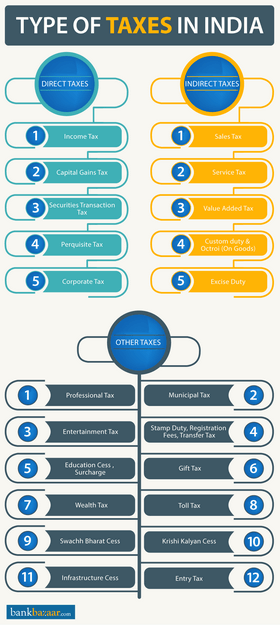
براہ راست ٹیکسَن ہِنٛز مِثالٕ
یِم چھُ کِہہ براہ راست ٹیکس یِم توٗہ ادا چھُ کَران
a) انکم ٹیکس:
this is one of the most well-known and least understood taxes. it is the tax that is levied on your earning in a financial year. there are many facets to income tax, such as the tax slabs, taxable income, tax deducted at source (tds), reduction of taxable income, etc. the tax is applicable to both individuals and companies. for individuals, the tax that they have to pay depends on which tax bracket they fall in. this bracket or slab determines the tax to be paid based on the annual income of the assessee and ranges from no tax to 30% tax for the high income groups.
حکومتَن چھُ فردَن ہِنٛدٮ۪ن مُختلف گروہَن، یعنی عام ٹیکس ادا کَرن وٲل، بُزرگ شہری ﴿لوکھ یِم 60 پٮ۪ٹھ 80 وریٖح وینسٕ درمیان تٕہ أم خوٗت زِیادٕ بُزرگ شہری ﴿80 وریٖح وینسٕ خوٗت زِیادٕ﴾ باپَت ٹیکس سلیب طَے کوٗرمُت.
b) کپیٹل گینز ٹیکس:
this is a tax that is payable whenever you receive a sizable amount of money. it could be from an investment or from the sale of a property. it is usually of two types, short term capital gains from investments held for less than 36 months and long term capital gains from investments held for longer than 36 months. the tax applicable for each is also very different since the tax on short term gains is calculated based in the income bracket that you fall in and the tax on long term gains is 20%. the interest thing about this tax is that the gain doesn’t always have to be in the form of money. it could also be an exchange in kind in which case the value of the exchange will be considered for taxation.
c) سکورٹیٖز ٹرانزیکشن ٹیکس:
it’s no secret that if you know how to trade properly on the stock market, and trade in securities, you stand to make a substantial amount of money. this too is a source of income but it has its own tax which is known as the securities transaction tax . how this tax is levied is by adding the tax to the price of the share. this means that every time you buy or sell shares, you pay this tax. all securities traded on the indian stock exchange have this tax attached to them.
d) پرکیوزیٹ ٹیکس:
perquisites are all the perks or privileges that employers may extend to employees. these privileges may include a house provided by the company or a car for your use, given to you by the company. these perks are not just limited to big compensation like cars and houses, they can even include things like compensation for fuel or phone bills. how this tax is levied is by figuring out how that perk has been acquired by the company or used by the employee. in the case of cars, it may be so that a car provided by the company and used for both personal and official purposes is eligible for tax whereas a car used only for official purposes is not.
e) کارپوریٹ ٹیکس:
Corporate tax is the income tax that is paid by companies from the revenue they earn. This tax also comes with a slab of its own that decides how much tax the company has to pay. For example a domestic company, which has a revenue of less than Rs. 1 crore per annum, won’t have to pay this tax but one that has a revenue of more than Rs. 1 crore per annum will have to pay this tax. It is also referred to as a surcharge and is different for different revenue brackets. It is also different for international companies where the corporate tax may be 41.2% if the company has a revenue of less than Rs. 10 million and so on.
there are four different types of corporate tax. they are:
· کم از کم مُتبادل ٹیکس:
کم از کم مُتبادل ٹیکس یا MAT چھُ بُنیٲدی طور انکم ٹیکس ڈیپارٹمنٹ باپَت اَکھ طریقہ تاکٕہ کمپنی کَرن کم از کم ٹیکس ادا یُس فی الحال 18.5% چھُ. ٹیکسِچ یٕہ فارم چھُ انکم ٹیکس ایکٹ 115JA مُتعارف کَرنِک ذریعہ عملٕ مَنٛز آننٕہ یِوان. تاہم، اِنفراسٹرکچر تٕہ بجلی کٮ۪ن شُعبَن مَنٛز شٲمِل کمپنی چھُ MAT کٕہ ادائیگی نَکھ مستثنیٰ.
اَکِہ لَٹٕہ یٮ۪لٕہ اَکھ کمپنی MAT چھُ ادا کَران، تِم پَتٕہ چھُ سُہ پانژھ وریٖح کٕہ مُدت تام مخصوص شرٲئطَن مُطٲبِق قابلٕ ادائیگی ٹیکس کٮ۪ن مُقابلَن مَنٛز ادائیگی برونٹھ تٕہ سٮ۪ٹ-آف ﴿آراستٕہ﴾ کٔرِتھ ہٮ۪کان.
· فرنج بینیفٹ ٹیکس:
fringe benefit tax, or fbt, was a tax which applied to almost every fringe benefit an employer provided to their employees. in this tax, a number of aspects were covered. some of them include:
مُلٲزمَن ہُنٛد سفر (LTA)، مُلٲزمَن ہِنٛز بہبودی، رہائش تٕہ تفریح ہِنٛد اِخراجات.
ii) کینسٕہ آجر سِنٛد ذریعہ فراہم کردہ باقاعدہ کومیوٹ یا کومیوٹ متعلق اِخراجات.
أکِس تصدیٖق شُدہ ریٹائرمنٹ فنڈس مَنٛز مُلٲزِم سُنٛد شرکت.
iv) آجر سٹاک اِختیار منصوبہ (ESOPs).
fbt آؤ اپریل 1, 2005 پٮ۪ٹھ حکومتِ ہِنٛد سٹیوارڈ شپ تحت چالو کَرنٕہ. تاہم، یٕہ ٹیکس آؤ پَتٕہ 2009 ہَس مَنٛز تٔم وقتِک خزانٕہ منتری پرنب مُکھرجی سِنٛد ذریعہ 2009 یونین بجٹ سیشنَس مَنٛز ختم کَرنٕہ.
· ڈیوڈنڈ ڈسٹرییوشن ٹیکس:
Dividend Distribution Tax was introduced after the end of 2007’s Union Budget. It is basically a tax levied on companies based on the dividend they pay to their investors. This tax is applicable on the gross or net income an investor receives from their investment. Currently, the DDT rate stands at 15%.
· بینکنگ کیش ٹرانزیکشن ٹیکس:
Banking Cash Transaction Tax is yet another form of tax that has been abandoned by the Indian government. This form of taxation was operation from 2005-2009 until the then FM Pranab Mukherjee nullified the tax. This tax suggested that every bank transaction (debit or credit) would be taxed at a rate of 0.1%.
2. بالواسطہ ٹیکس:
by definition, indirect taxes are those taxes that are levied on goods or services. they differ from direct taxes because they are not levied on a person who pays them directly to the government, they are instead levied on products and are collected by an intermediary, the person selling the product. the most common examples of indirect tax indirect tax can be vat (value added tax), taxes on imported goods, sales tax, etc. these taxes are levied by adding them to the price of the service or product which tends to push the cost of the product up.
بالواسطہ ٹیکسَن ہِنٛز مِثالٕ:
یٮ۪تٕہ چھُ کِہہ بالواسطہ ٹیکس یِم توٗہ ادا چھُ کَران.
a) sales tax:
As the name suggests, sales tax is a tax that is levied on the sale of a product. This product can be something that was produced in India or imported and can even cover services rendered. This tax is levied on the seller of the product who then transfers it onto the person who buys said product with the sales tax added to the price of the product. The limitation of this tax is that it can be levied only ones for a particular product, which means that if the product is sold a second time, sales tax cannot be applied to it.
Basically, all the states in the country follow their own Sales Tax Act and charge a percentage indigenous to themselves. Besides this, a few states also levy other additional charges like turnover tax, purchase tax, works transaction tax, and the like. This is also the reason why sales tax is one of the largest revenue generators for various state governments. Also, this tax is levied under both central and state legislations.
b) service tax:
یِتھ پٲٹھ ہِنٛدوٗستانَس مَنٛز فروخت سَپدَن وٲلِس سامانَس مَنٛز چھُ سیلز ٹیکس شٲمِل یِوان کَرنٕہ، اِتھَی پٲٹھ چھُ ہِنٛدوٗستانَس مَنٛز فراہم کردہ خدماتَن مَنٛز سٔروِس ٹیکس شٲمِل یِوان کَرنٕہ. بجٹ 2015 کِس تحریٖرَس مَنٛز یٕہ اوٗس اعلان کَرنٕہ آمُت زِٔ ٹیکس سٔروِس یِن 12.36% پٮ۪ٹھ 14% بڑھاونٕہ. یٕہ چھُ نٕہ سامانَس پٮ۪ٹھ بلکٕہ چھُ تِمَن کمپنی یَن پٮ۪ٹھ قابلٕ اطلاق یِم خدمات مہیا چھُ کَران بیٮ۪ٕہ پرتھ ماہ یا سہ ماہی اَکٕہ لَٹٕہ جمع چھُ سَپدان یِم کِس بُنیادَس پٮ۪ٹھ خدمات چھُ فراہم یِوان کَرنٕہ. اگر استحکام اِنفرٲدی خدمات فراہم کُنندہ چھُ کَران تیٮ۪لٕہ چھُ سٔروِس ٹیکس صرف اَتھ صورتَس مَنٛز ادا یِوان کَرنٕہ یٮ۪لٕہ صٲرف بِلَن ہِنٛز ادائیگی چھُ کَران تاہم چھُ کمپنی باپَت اِنوائس تُلنِک لمحہ سٔروِس ٹیکس چھُ قابلٕ ادائیگی آسَن، چاہے تِم بِل ہِنٛز ادائیگی کَرن وٲل صٲرف آسَن.
یاد تھاونٕہ باپَت اَکھ اہم کَتھ چھُ یٮ۪لٕہ زَن ریسٹورنٹَس مَنٛز خدمت چھُ کھٮ۪ن، ویٹر بیٮ۪ئہ پانٕ احاطَن ہِنٛد امتزاجُک میل، یٕہ طَے کَرُن چھُ مُشکل زِٔ ٹیکس باپَت کُس چھُ اہل. کاٛنہ تٕہ ابہام دور کَرنٕہ باپَت چھُ اعلان آمُت کَرنٕہ زِٔ ریسٹورنٹَن مَنٛز سٔروِس ٹیکس آسٕہ کل بِل ہُنٛد 40% عائد کَرنٕہ.
- GST - مصنوعات تٕہ خدمات ٹیکس:
یَنٕہ پٮ۪ٹھ لَگ بَگ 25 وریٖح برونٹھ بازار کھُلُن شروع سَپُد گُڈس اینڈ سٔروِس ٹیکس (GST) چھُ ہِنٛدوٗستانَس مَنٛز بالواسطہ ٹیکس ڈھانچَن ہُنٛد اَکھ بُڑھ بار اِصلاح. GST چھُ کھپت پٮ۪ٹھ مبنی ٹیکس، تِکیازٕ یٕہ چھُ کھپت کٕہ جائے پٮ۪ٹھ قابلٕ اِطلاق. GST چھُ سپلائی چینٕ مَنٛز کھپت کِس پرتھ مرحَلس پٮ۪ٹھ ویلِو ایڈڈ گُڈس اینڈ سٔروِس پٮ۪ٹھ لاگو سَپدان. سامان تٕہ خدماتَن ہِنٛز خریٖدٲری پٮ۪ٹھ قابلٕ ادائیگی GST چھُ سامان تٕہ خدماتَن ہِنٛز سپلائی پٮ۪ٹھ قابلٕ ادائیگی GST خٕلاف رُکاونٕہ یِوان، تٲجر کَرن قابلٕ اِطلاق GST ادا مگر تِم ہٮ۪کَن ٹیکس کریڈٹ میکانیٖزم کٕہ ذریعہ أمُک دعویٰ.
c) value added tax:
VAT یَتھ کامرشل ٹیکس تٕہ چھُ وَنان چھُ نٕہ تِمَن چیٖزَن پٮ۪ٹھ قابلٕ اِطلاق یِمَن ہُنٛد قیٖمت صفر آسٕہ ﴿مِثالٕ پٲٹھ. خوراک تٕہ ضروری ادویات﴾ یا تِم یِم برآمدی مَنٛز چھُ یِوان. یٕہ ٹیکس چھُ سپلائی چین کٮ۪ن تمام مرحلَن پٮ۪ٹھ لاگو سَپدان، مینوفکچرس پٮ۪ٹھ ڈیٖلرس، ڈسٹریٖبیوٹرس تٕہ ٲخری صٲرفَس تام.
the value added tax is a tax that is levied at the discretion of the state government and not all states implemented it when it was first announced. the tax is levied on various goods sold in the state and the amount of the tax is decided by the state itself. for example in gujrat the government split all the good into various categories called schedules. there are 3 schedules and each schedule has its own vat percentage. for schedule 3 the vat is 1%, for schedule 2 the vat is 5% and so on. goods that have not been classified into any category have a vat of 15%.
d) custom duty & octroi:
when you purchase anything that needs to be imported from another country, a charge is applied on it and that is the customs duty. it applies to all the products that come in via land, sea or air. even if you bring in products bought in another country to india, a customs duty can be levied on it. the purpose of the customs duty is to ensure that all the goods entering the country are taxed and paid for. just as customs duty ensures that goods for other countries are taxed, octroi is meant to ensure that goods crossing state borders within india are taxed appropriately. it is levied by the state government and functions in much the same way as customs duty does.
e) excise duty:
this is a tax that is levied on all the goods manufactured or produced in india. it is different from customs duty because it is applicable only on things produced in india and is also known as the central value added tax or cenvat. this tax is collected by the government from the manufacturer of the goods. it can also be collected from those entities that receive manufactured goods and employ people to transport the goods from the manufacturer to themselves.
مرکزی حکومت کٕہ ذریعہ مرتب کردہ مرکزی اکسائز ضابطُک مشورہ چھُ زِٔ پرتھ فرد یُس "اِکسائزیبُل چیٖز" تیار چھُ کَران یا اِتھ ہی سامان کُنٕہ گودامَس مَنٛز چھُ محفوظ تھاوان، تٔمِس آسٕہ اِتھس سامانَس پٮ۪ٹھ لاگو ڈیوٹی ادا کَرُن. اَتھ اصولَس تحت چھُ نٕہ کاٛنہ اِکسائزیبُل چیٖز، یَتھ پٮ۪ٹھ کاٛنہ ڈیوٹی قابلٕ ادا آسٕہ، سُہ یی کُنتٕہ جائے پٮ۪ٹھ بغیر ادائیگی نقل کَرنٕہ یٮ۪تٕہ تِم تیار یا مینوفکچر آسَن آمِت کَرنٕہ.