











Verotyypit
Veroja on kahta eri tyyppiä, välittömiä ja välillisiä veroja. Ero tulee tavassa, jolla nämä verot pannaan täytäntöön. Jotkut maksat suoraan, kuten pelätty tulovero, varallisuusvero, yhtiövero jne., kun taas toiset ovat välillisiä veroja, kuten arvonlisävero, palveluvero, myyntivero jne.
1. Suorat verot
2. Välilliset verot
Mutta näiden kahden tavanomaisen veron lisäksi on olemassa myös muita veroja, jotka keskushallinto on asettanut voimaan palvelemaan tiettyä asialistaa. "Muita veroja" kannetaan sekä suorista että välillisistä veroista, kuten äskettäin käyttöön otettu Swachh Bharat Cess -vero, Krishi Kalyan Cess -vero ja infrastruktuurivero.
1. Suora vero
Välittömät verot, kuten aiemmin todettiin, ovat veroja, jotka maksat suoraan. Nämä verot kannetaan suoraan yhteisöltä tai yksityishenkilöltä, eikä niitä voida siirtää kenellekään muulle. Yksi niistä elimistä, joka jättää huomiotta nämä välittömät verot, on Central Board of Direct taxes (CBDT), joka on osa veroministeriötä. Sillä on tehtäviensä hoitamiseksi tuettava erilaisia lakeja, jotka säätelevät välittömien verojen eri näkökohtia.
Jotkut näistä teoista ovat:
· Tuloverolaki:
Tämä tunnetaan myös nimellä IT Act 1961, ja se asettaa Intian tuloverotusta koskevat säännöt. Tulot, joita tämä laki verottaa, voivat tulla mistä tahansa lähteestä, kuten yrityksestä, talon tai kiinteistön omistamisesta, sijoituksista ja palkoista saaduista tuloista jne. Tämä on laki, joka määrittelee kiinteän talletuksen tai henkivakuutusmaksun verohyödyn. Se on myös laki, joka päättää kuinka suuren osan tuloistasi voit säästää investoinneilla ja mikä on tuloverolaatta.
· Varallisuusverolaki:
Varallisuusverolaki annettiin vuonna 1951 ja se vastaa yksityishenkilön, yrityksen tai hindujen yhdistyneen perheen nettovarallisuuteen liittyvästä verotuksesta. Yksinkertaisin varallisuusveron laskelma oli se, että jos nettovarallisuus ylittää Rs. 30 lakhia, sitten 1% % summasta, joka ylitti Rs. Verona maksettiin 30 miljoonaa euroa. Se poistettiin vuonna 2015 julkistetussa talousarviossa. Se on sittemmin korvattu 12% %:n lisämaksulla henkilöiltä, jotka ansaitsevat yli Rs. 1 miljoona vuodessa. Sitä sovelletaan myös yrityksiin, joiden liikevaihto on yli Rs. 10 kruunua vuodessa. Uudet suuntaviivat lisäsivät rajusti määrää, jonka hallitus perii veroina verrattuna varallisuusveron kautta perimään määrään.
· Gift-verolaki:
Lahjaverolaki syntyi vuonna 1958, ja siinä todettiin, että jos henkilö sai lahjoja, rahallisia tai arvoesineitä lahjoina, tällaisista lahjoista on maksettava vero. Tällaisten lahjojen vero säilytettiin 30% prosentissa, mutta se poistettiin vuonna 1998 Aluksi, jos lahja annettiin ja se oli jotain omaisuutta, koruja, osakkeita jne., se oli veronalaista. Uusien sääntöjen mukaan perheenjäsenten, kuten veljien, siskon, vanhempien, puolison, tätien ja sedien, antamat lahjat eivät ole veronalaisia. Jopa paikallisten viranomaisten sinulle antamat lahjat on vapautettu tästä verosta. Vero toimii nyt siten, että jos joku muu kuin verosta vapautetut yhteisöt lahjoittaa sinulle mitä tahansa, jonka arvo ylittää Rs. 50 000, jolloin koko lahja on veronalaista.
· Menoverolaki:
Tämä on vuonna 1987 käyttöön otettu laki, joka koskee kustannuksia, joita sinulle saattaa syntyä yksityishenkilönä käyttäessäsi hotellin tai ravintolan palveluita. Sitä sovelletaan koko Intiaan Jammua ja Kashmiria lukuun ottamatta. Siinä todetaan, että tietyt kulut veloitetaan tämän lain mukaan, jos ne ylittävät Rs. 3 000, jos kyseessä on hotelli ja kaikki ravintolasta aiheutuneet kulut.
· Korkoverolaki:
Vuoden 1974 korkoverolaki käsittelee veroa, joka oli maksettava tietyissä erityistilanteissa ansaituista koroista. Viimeisessä lainmuutoksessa todettiin, että laki ei koske maaliskuun 2000 jälkeen ansaittuja korkoja.
Alla on esimerkkejä kaikista erityyppisistä välittömistä veroista:
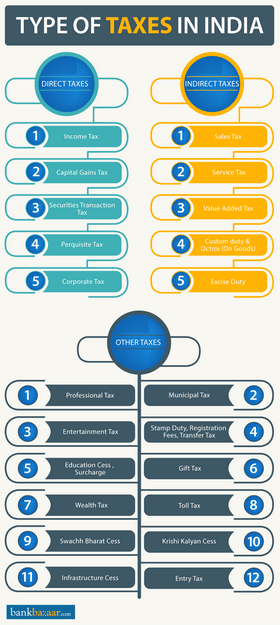
Esimerkkejä välittömistä veroista
Nämä ovat joitain suorista veroista, jotka maksat
a) Tulovero:
Tämä on yksi tunnetuimmista ja vähiten ymmärrettyistä veroista. Se on vero, joka kannetaan tilikauden ansioistasi. Tuloverotuksessa on monia näkökohtia, kuten verolaatat, verotettava tulo, lähdevero (TDS), verotettavan tulon vähentäminen jne. Vero koskee sekä yksityishenkilöItä että yrityksiä. Yksityishenkilöiden maksama vero riippuu siitä, mihin veroluokkaan he kuuluvat. Tämä haarukka tai laatta määrittää maksettavan veron arvioitavan vuositulon perusteella ja vaihtelee verottomasta 30% prosentin veroon korkeatuloisille ryhmille.
Hallitus on vahvistanut erilaisia veroja erilaisille yksilöryhmille, nimittäin yleisille veronmaksajille, eläkeläisille (60–80-vuotiaat ja erittäin eläkeläiset (yli 80-vuotiaat)).
b) Pääomavoittovero:
tämä on vero, joka maksetaan aina, kun saat huomattavan määrän rahaa. Se voi johtua sijoituksesta tai kiinteistön myynnistä. Se on yleensä kahta tyyppiä: lyhytaikaiset myyntivoitot alle 36 kuukautta pidetyistä sijoituksista ja pitkäaikaiset myyntivoitot sijoituksista, joita pidettiin yli 36 kuukautta. Kuhunkin sovellettava vero on myös hyvin erilainen, koska lyhytaikaisen voiton vero lasketaan sen tuloluokituksen perusteella, johon kuulut ja pitkäaikaisen voiton vero on 20% %. tämän veron etu on se, että voiton ei aina tarvitse olla rahana. Se voi olla myös luontoissuoritus, jolloin vaihdon arvo otetaan huomioon verotuksessa.
c) Arvopaperitransaktiovero:
Ei ole mikään salaisuus, että jos osaat käydä kauppaa oikein osakemarkkinoilla ja käydä kauppaa arvopapereilla, ansaitset huomattavan määrän rahaa. Tämäkin on tulonlähde, mutta sillä on oma vero, joka tunnetaan arvopaperitransaktioverona . Tämä vero kannetaan lisäämällä vero osakkeen hintaan. Tämä tarkoittaa, että joka kerta kun ostat tai myyt osakkeita, maksat tämän veron. Tämä vero on liitetty kaikkiin Intian pörssissä myytäviin arvopapereihin.
d) Perquisite Tax:
Edut ovat kaikkia etuja tai etuoikeuksia, joita työnantajat voivat tarjota työntekijöille. Näihin etuihin voi sisältyä yrityksen tarjoama talo tai yrityksen sinulle antama käyttöösi. Nämä edut eivät rajoitu vain suuriin korvauksiin, kuten autoihin ja taloihin, vaan ne voivat sisältää jopa asioita, kuten korvauksen polttoaineesta tai puhelinlaskuista. Kuinka tämä vero kannetaan, selvitetään, kuinka yritys on hankkinut edun tai kuinka työntekijä on käyttänyt sitä. Autojen osalta voi olla niin, että yrityksen luovuttama ja sekä henkilökohtaiseen että virkakäyttöön käytetty auto on verokelpoinen, kun taas vain virkakäyttöön käytetty auto ei.
e) Yritysvero:
Yritysvero on tulovero, jonka yritykset maksavat saamistaan tuloista. tämän veron mukana tulee myös oma laatta, joka päättää kuinka paljon veroa yrityksen on maksettava. Esimerkiksi kotimainen yritys, jonka liikevaihto on alle Rs. 1 crore vuodessa, sinun ei tarvitse maksaa tätä veroa, mutta sellaisen, jonka tulot ovat yli Rs. tätä veroa joutuu maksamaan 1 miljoona vuodessa. Sitä kutsutaan myös lisämaksuksi, ja se on erilainen eri tuloluokissa. Se on myös erilainen kansainvälisissä yrityksissä, joissa yhtiövero voi olla 41.2%,10, jos yrityksen liikevaihto on alle Rs. <n5> miljoonaa ja niin edelleen.
Yritysverotyyppejä on neljä. He ovat:
· Vähimmäisvaihtoehtovero:
Minimum Alternative Tax eli MAT on periaatteessa tapa tuloveroosastolle saada yritykset maksamaan vähimmäisvero, joka on tällä hetkellä 18,5 %. Tämä veromuoto otettiin käyttöön tuloverolain 115JA §:llä. Infrastruktuuri- ja sähköalan yritykset ovat kuitenkin vapautettuja MAT:n maksamisesta.
Kun yritys on maksanut MAT:n, se voi tietyin edellytyksin siirtää maksun eteenpäin ja kuitata (oikaista) seuraavan viiden vuoden aikana maksettavaan tavanomaiseen veroon.
· Luontoisetuvero:
Luontoetuvero eli FBT oli vero, joka koski melkein jokaista luontoisetua, jonka työnantaja tarjosi työntekijöilleen. Tässä verossa käsiteltiin useita näkökohtia. Jotkut niistä sisältävät:
i) Työnantajan matkakulut (LTA), työntekijöiden hyvinvointi, majoitus ja viihde.
ii) Mikä tahansa työnantajan tarjoama säännöllinen työmatka tai työmatkaan liittyvät kulut.
iii) Työnantajan maksu sertifioituun eläkerahastoon.
iv) Työnantajan osakeoptiosuunnitelmat (ESOP).
FBT aloitettiin Intian hallituksen alaisuudessa 1. huhtikuuta 2005. Silloinen valtiovarainministeri Pranab Mukherjee kuitenkin poisti veron myöhemmin vuonna 2009 unionin vuoden 2009 talousarvioistunnossa.
· Osingonjakovero:
Osingonjakovero otettiin käyttöön vuoden 2007 unionin budjetin jälkeen. Se on pohjimmiltaan vero, joka peritään yrityksiltä sijoittajilleen maksamiensa osinkojen perusteella. Tätä veroa sovelletaan brutto- tai nettotuloon, jonka sijoittaja saa sijoituksestaan. Tällä hetkellä DDT-prosentti on 15% prosenttia.
· Pankkien käteismaksutapahtumavero:
Pankkien käteistransaktiovero on jälleen yksi veromuoto, jonka Intian hallitus on hylännyt. Tämä verotusmuoto toimi vuosina 2005-2009, kunnes silloinen FM Pranab Mukherjee mitätöi veron. Tämä vero ehdotti, että jokaista pankkitapahtumaa (veloitus tai luotto) verotettaisiin 0.1%,<n2> prosentin verokannan mukaan.
2. Välillinen vero:
Määritelmän mukaan välilliset verot ovat tavaroista tai palveluista kannettavia veroja. Ne eroavat välittömistä veroista, koska niitä ei kanneta henkilöltä, joka maksaa ne suoraan valtiolle, vaan ne kannetaan tuotteista ja ne perii välittäjä, tuotteen myyjä. Yleisimmät esimerkit välillisistä veroista Välilliset verot voivat olla alv (arvonlisävero), tuontitavaroiden verot, myyntivero jne.. Nämä verot peritään lisäämällä ne palvelun tai tuotteen hintaan, mikä pyrkii nostamaan tuotteen hintaa.
Esimerkkejä välillisistä veroista:
Nämä ovat joitain yleisimmistä maksamistasi välillisistä veroista.
a) Liikevero:
Kuten nimestä voi päätellä, myyntivero on vero, joka kannetaan tuotteen myynnistä. Tämä tuote voi olla jotain, joka on valmistettu Intiassa tai tuotu maahan, ja se voi jopa kattaa suoritetut palvelut. Tämä vero kannetaan tuotteen myyjältä, joka sitten siirtää sen ostajalle tuotteen hintaan lisättynä myyntiverolla. Tämän veron rajoituksena on, että sitä voidaan periä vain tietystä tuotteesta, mikä tarkoittaa, että jos tuote myydään toisen kerran, siitä ei voida periä liikevaihtoveroa.
Periaatteessa kaikki maan osavaltiot noudattavat omaa myyntiverolakiaan ja veloittavat itselleen alkuperäisen prosenttiosuuden. Tämän lisäksi muutamat osavaltiot perivät myös muita lisämaksuja, kuten liikevaihtoveroa, ostoveroa, työtransaktioveroa ja vastaavia. Tämä on myös syy siihen, miksi liikevaihtovero on yksi suurimmista tulontuottajista eri osavaltioiden hallituksille. Myös tätä veroa kannetaan sekä valtion että valtion lainsäädännön mukaisesti.
b) Palveluvero:
Kuten myyntivero lisätään Intiassa myytävien tavaroiden hintaan, niin myös palveluvero lisätään Intiassa tarjottaviin palveluihin. Vuoden 2015 talousarvion käsittelyssä ilmoitettiin, että palveluveroa nostetaan 12.36%,14% prosentista <n4> prosenttiin. Se ei koske tavaroita, vaan palveluita tarjoavia yrityksiä, ja se kerätään kuukausittain tai kerran neljännesvuosittain sen mukaan, miten palvelut tarjotaan. Jos toimipaikka on yksityinen palveluntarjoaja, palveluvero maksetaan vasta, kun asiakas on maksanut laskut, mutta yrityksille palveluvero on maksettava laskun nostamishetkellä riippumatta siitä, maksaako asiakas laskun.
Tärkeä asia on muistaa, että koska palvelu ravintolassa on yhdistelmä ruokaa, tarjoilijaa ja itse tiloja, on vaikea määrittää, mikä on oikeutettu palveluveroon. Mahdollisen epäselvyyden poistamiseksi on tältä osin ilmoitettu, että ravintoloiden palveluvero peritään vain 40% % laskun kokonaissummasta.
- GST – tavara- ja palveluvero:
Goods and Services Tax (GST) on suurin uudistus Intian välillisten verojen rakenteessa sen jälkeen, kun markkinat alkoivat avautua noin 25 vuotta sitten. GST on kulutusperusteinen vero, koska sitä sovelletaan kulutukseen. GST kannetaan lisäarvotuotteista ja palveluista toimitusketjun jokaisessa kulutuksen vaiheessa. Tavaroiden ja palvelujen hankinnasta maksettava GST voidaan kuitata tavaroiden ja palvelujen luovutuksesta maksettavaan GST: hen, kauppias maksaa sovellettavan GST-prosentin, mutta voi vaatia sen takaisin verohyvitysmekanismin kautta.
c) Arvonlisävero:
Arvonlisäveroa, joka tunnetaan myös nimellä kaupallinen vero, ei sovelleta hyödykkeisiin, joiden verotus on nolla (esim. elintarvikkeet ja välttämättömät lääkkeet) tai ne, jotka kuuluvat vientiin. Tätä veroa kannetaan toimitusketjun kaikissa vaiheissa, suoraan valmistajilta, jälleenmyyjiltä ja jakelijoilta loppukäyttäjälle.
Arvonlisävero on vero, joka peritään osavaltion hallituksen harkinnan mukaan, eivätkä kaikki osavaltiot panneet sitä käyttöön, kun siitä ilmoitettiin ensimmäisen kerran. Veroa kannetaan valtiossa myytävistä erilaisista tavaroista ja veron suuruudesta päättää valtio itse. Esimerkiksi Gujratissa hallitus jakoi kaiken hyvän eri luokkiin, joita kutsutaan aikatauluiksi. Aikatauluja on 3 ja jokaisella aikataululla on oma ALV-prosenttinsa. Luettelossa 3 ALV on 1% %, taulukossa 2 ALV on 5% % ja niin edelleen. Tuotteilla, joita ei ole luokiteltu mihinkään luokkaan, on arvonlisävero 15% %.
d) Tullit ja ulkomaiset:
Kun ostat jotain, joka on tuotava toisesta maasta, siitä veloitetaan maksu ja se on tullimaksu. Se koskee kaikkia tuotteita, jotka tulevat maahan, merellä tai ilmassa. Vaikka tuoisit toisesta maasta ostettuja tuotteita Intiaan, niistä voidaan periä tulli. Tullin tarkoituksena on varmistaa, että kaikki maahan saapuvat tavarat on verotettu ja maksettu. Aivan kuten tulli varmistaa muiden maiden tavaroiden verotuksen, octroin on tarkoitus varmistaa, että Intian osavaltioiden rajat ylittävät tavarat verotetaan asianmukaisesti. Sen perii osavaltion hallitus, ja se toimii samalla tavalla kuin tulli.
e) valmistevero:
Tämä on vero, joka kannetaan kaikista Intiassa valmistetuista tai tuotetuista tuotteista. Se eroaa tulleista, koska sitä sovelletaan vain Intiassa valmistettuihin tuotteisiin, ja se tunnetaan myös nimellä keskusarvonlisävero tai CENVAT. Tämän veron perii valtio tavaroiden valmistajalta. Se voidaan kerätä myös niiltä tahoilta, jotka vastaanottavat teollisuustuotteita ja työllistävät ihmisiä kuljettamaan tavarat valmistajalta itselleen.
Valtionhallinnon asettamassa valmisteverosäännössä ehdotetaan, että jokainen, joka valmistaa tai valmistaa 'valmisteveron alaisia tavaroita' tai varastoi niitä varastossa, joutuu maksamaan niistä tavaroista vuonna 2008 sovellettavan veron. Tämän säännön mukaan mitkään valmisteveron alaiset tavarat, joista on maksettava veroa, eivät saa liikkua ilman veroa mistään paikasta, jossa ne on valmistettu tai valmistettu.